What Do Hair Transplant Results in Turkey Depend On?
A successful hair transplant result depends on more than the number of grafts implanted.
Important factors include donor area quality, graft handling, hairline design, recipient-area planning, postoperative care and the patient’s own hair characteristics.
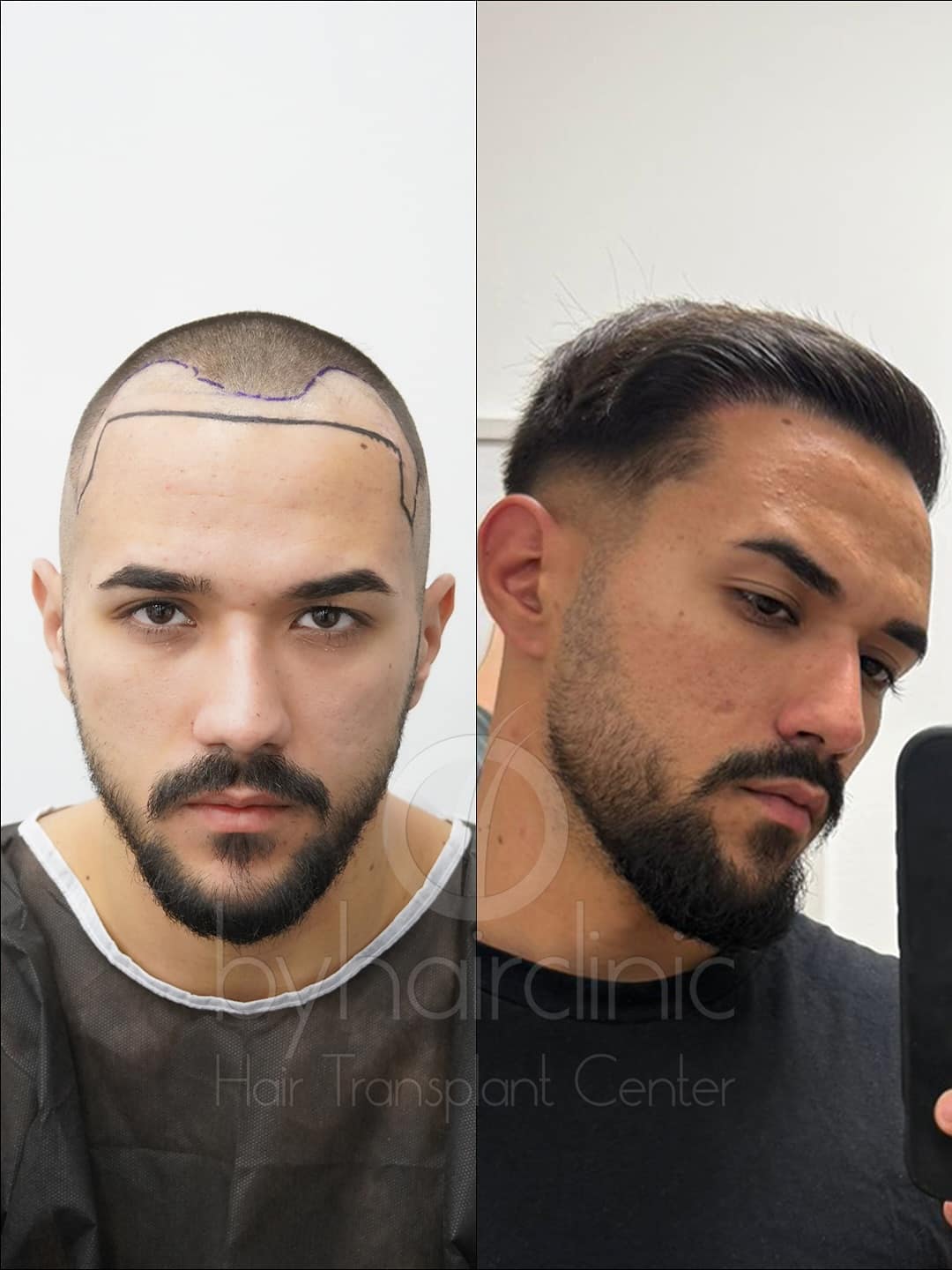
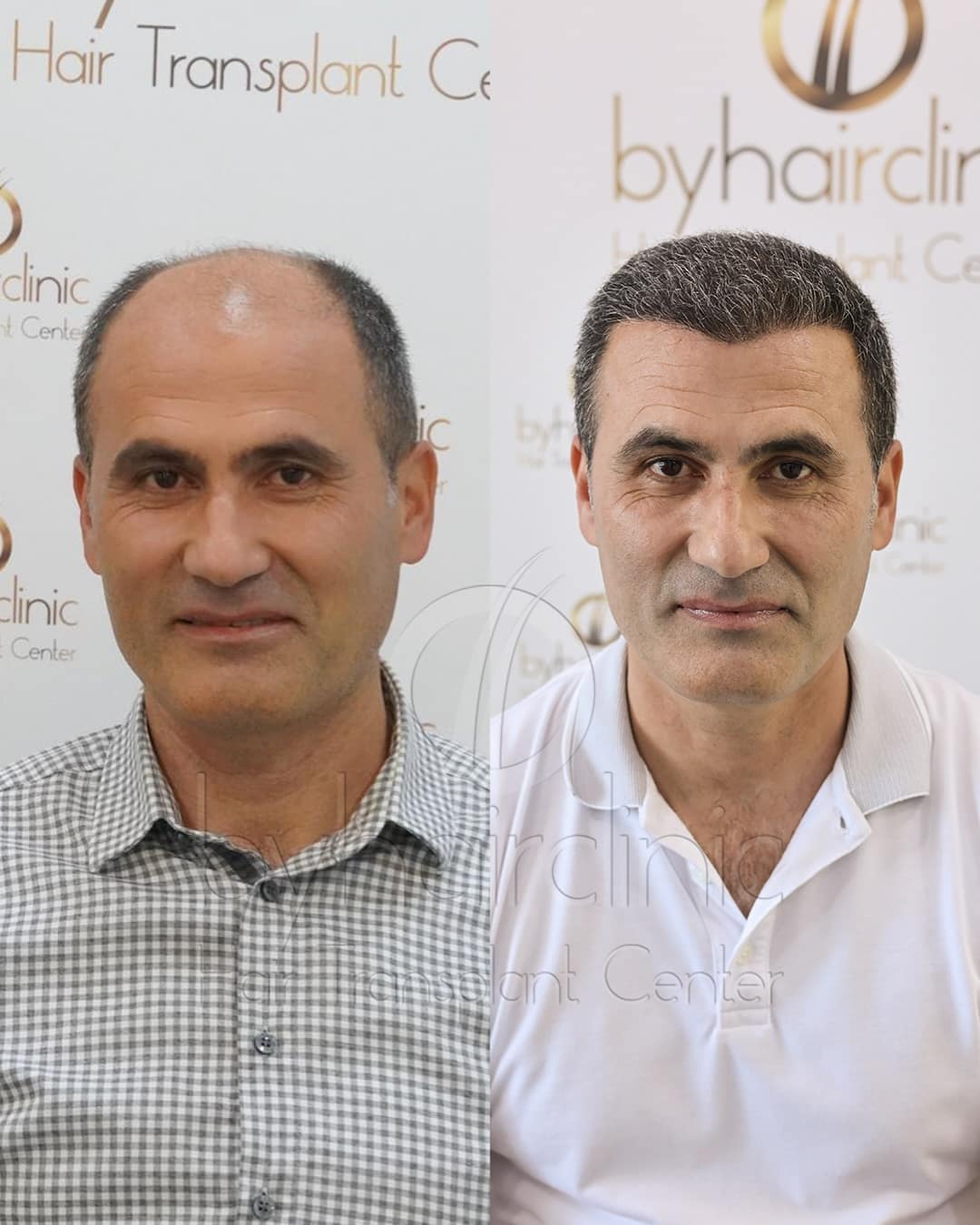
For people comparing Turkey hair transplant results, it is important to look for documented cases photographed over time rather than relying only on immediate postoperative images.
Hair Transplant Turkey Before and After: What to Expect
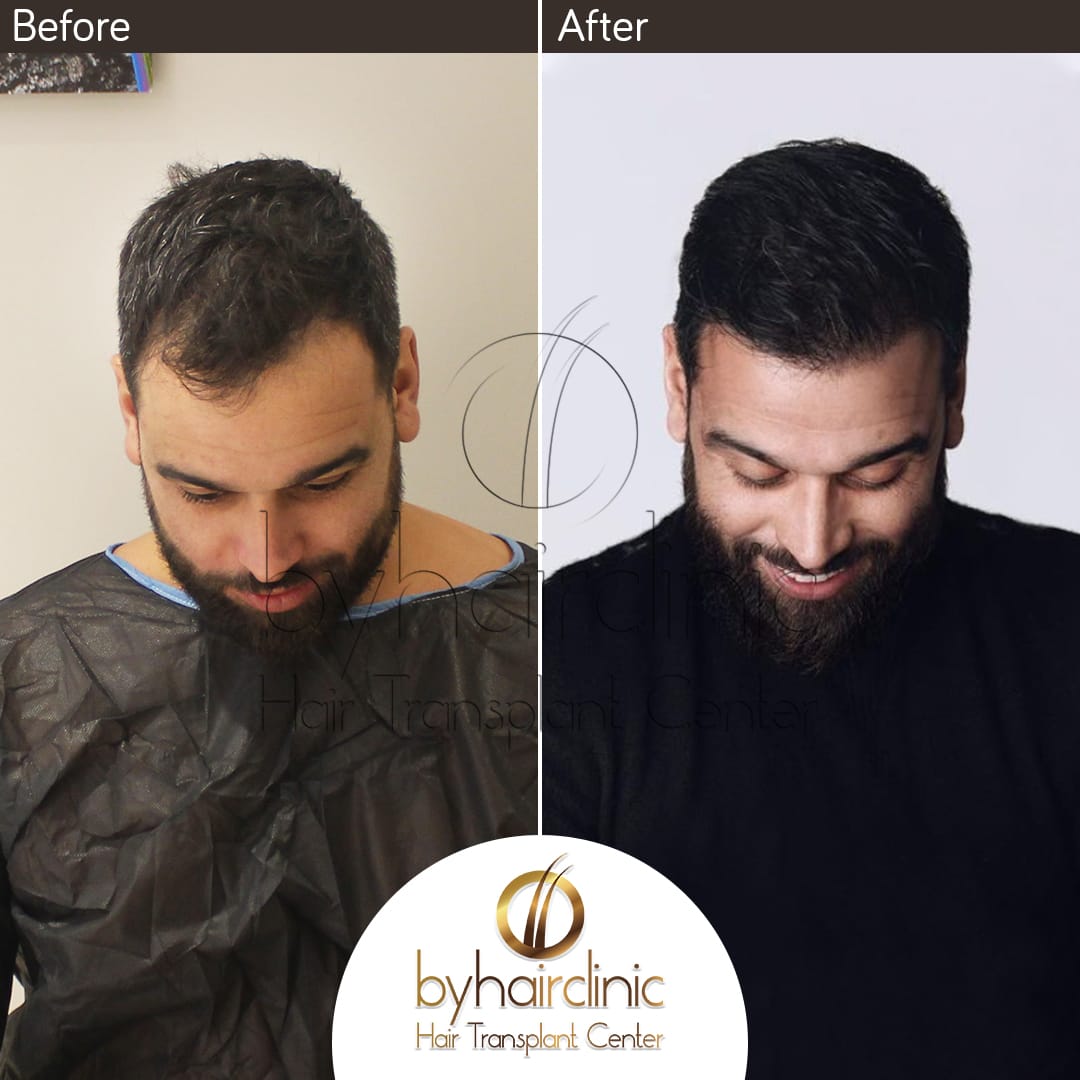
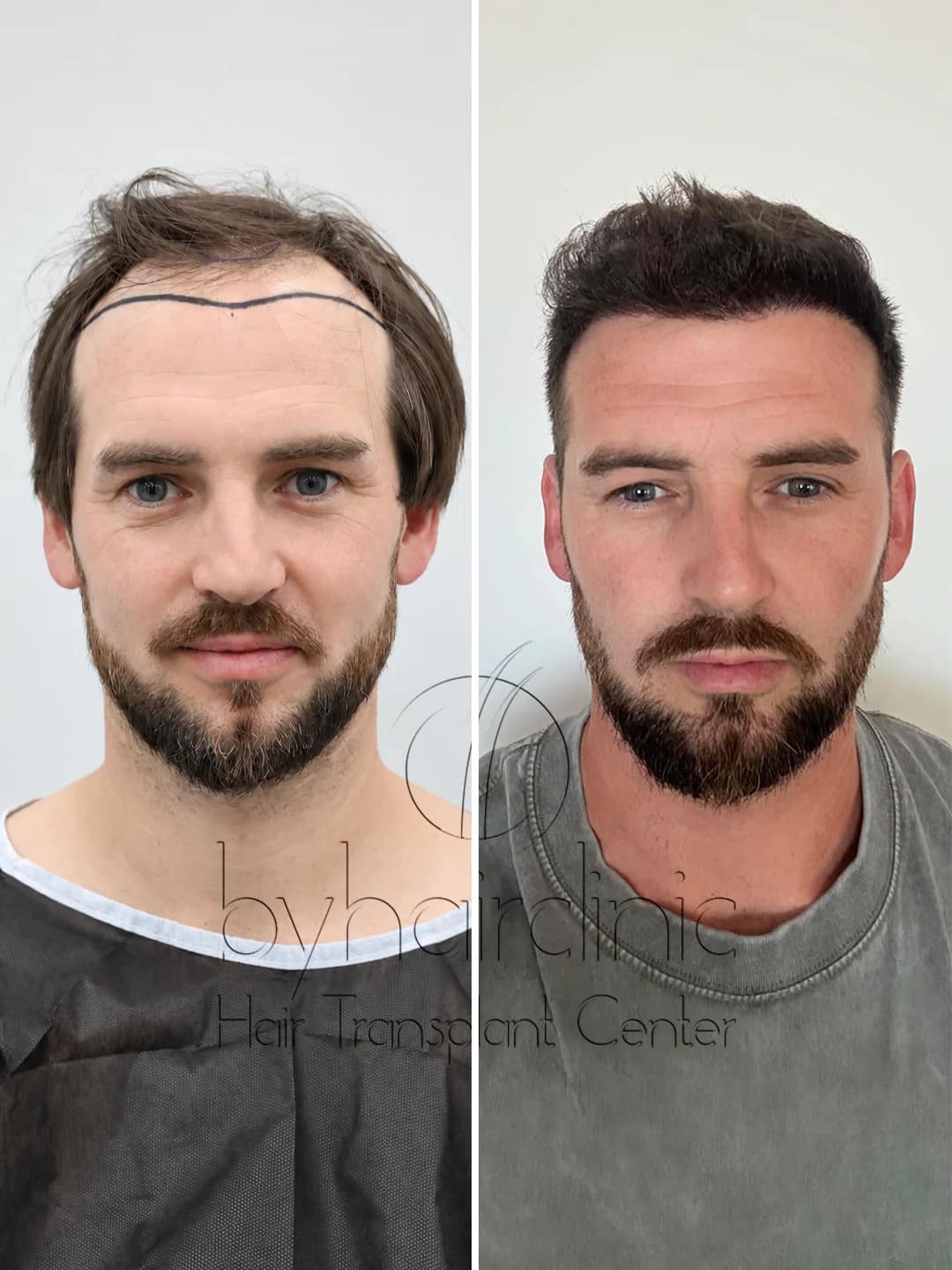
A hair transplant Turkey before and after comparison usually shows several different stages rather than one immediate transformation.
The transplanted area changes gradually as healing progresses and new hair growth develops.
- First days: temporary redness, sensitivity and small crusts may be visible.
- First weeks: some transplanted hairs may shed as part of the normal post-transplant cycle.
- Following months: new growth may begin gradually.
- Longer term: density, texture and overall appearance continue to mature over time.
Because growth rates differ between individuals, results should be evaluated over the longer term rather than after only a few weeks or months.
Before the Hair Transplant: Consultation and Planning
Before treatment, the donor area, hair loss pattern, existing density and facial proportions are assessed.
The goal is to determine how available grafts can be distributed while preserving the donor area for the future.
Hairline design is also planned according to age, facial structure, existing hair and long-term hair-loss expectations.
After the Hair Transplant: Growth and Recovery
After transplantation, patients receive instructions regarding washing, sleeping position, scalp care and protection of the grafts.
Temporary shedding may occur before new growth begins.
Visible improvement can develop gradually over several months, while density and hair characteristics may continue to mature for approximately 12 months or longer depending on the treated area and the individual.
Techniques Used in Hair Transplantation
-
Sapphire FUE:
an FUE-based approach using sapphire-tipped blades during recipient-channel preparation.
-
DHI hair transplantation:
an implanter-based graft placement approach that may be suitable for selected cases.
-
Beard transplant:
facial hair restoration planned according to beard density, growth direction and facial proportions.
-
Hair transplantation with sedation:
sedation may be considered alongside local anaesthesia for selected patients after medical assessment.
-
Stem cell hair restoration:
a regenerative approach that is distinct from conventional follicular-unit transplantation and remains an evolving area of research.
How to Evaluate Before-and-After Hair Transplant Photos
When comparing hair transplant results in Turkey, look for consistency in photography and documentation.
Before-and-after images are easier to assess when lighting, angle, hair length and camera distance are similar.
It is also useful to know the number of grafts, the treatment technique, the date of the procedure and the stage of recovery shown in the photograph.
Natural Hair Transplant Results Turkey
Natural-looking results depend on appropriate hairline design, controlled graft direction and density planning that respects the patient’s donor capacity.
The aim should be to create a result that fits the individual’s facial proportions and existing hair rather than simply maximizing graft numbers.
You can learn more about the overall treatment process in our
hair transplant in Turkey guide.
Before-and-After Gallery
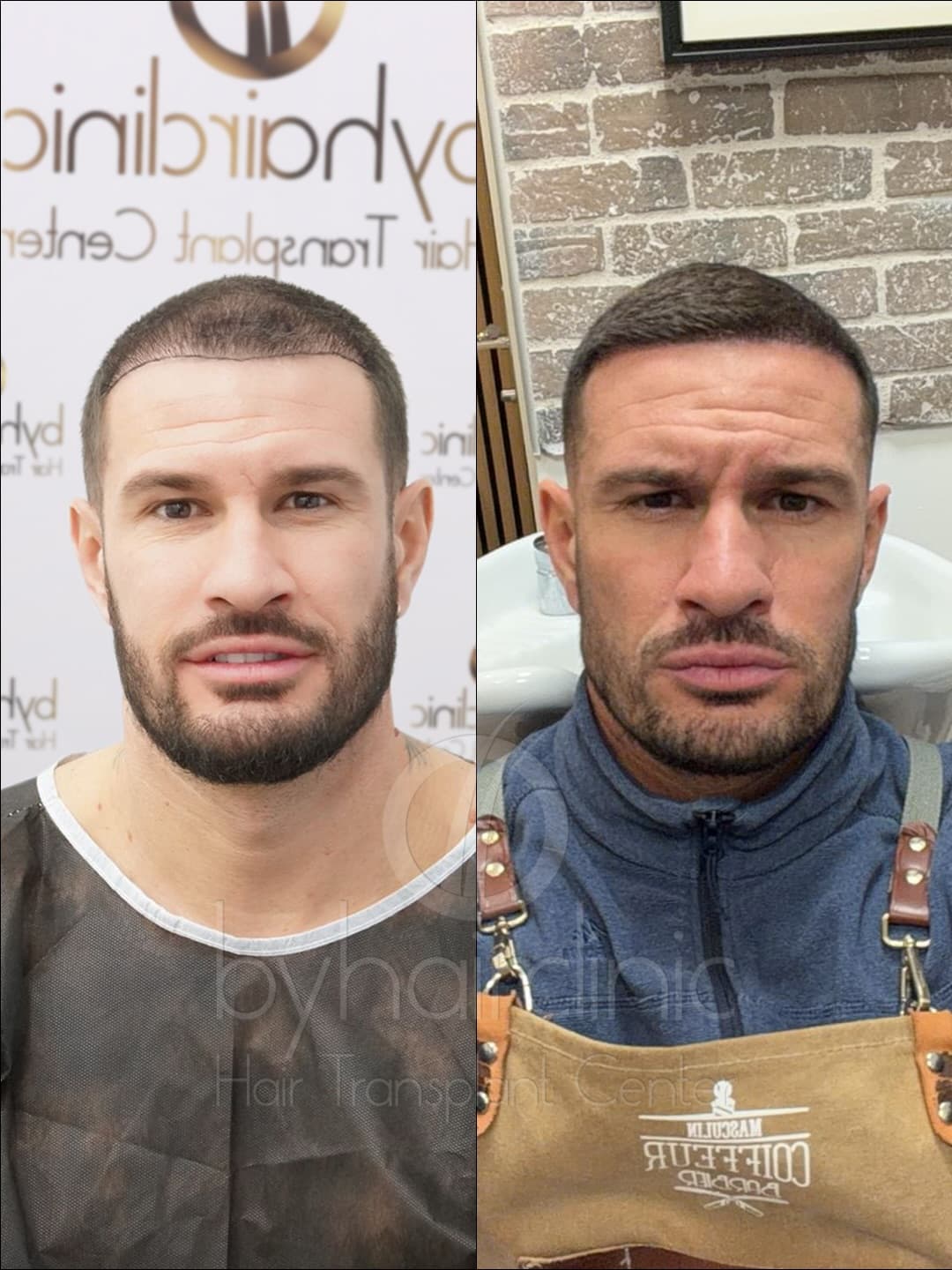
Our gallery presents documented cases at different stages of recovery and hair growth.
Each case reflects the individual characteristics of the patient, including hair type, donor capacity, treatment area and procedure plan.
Before-and-after photographs should be used to understand possible treatment patterns and growth timelines, not as a guarantee of an identical result.
You can also follow
byhairclinic on Instagram
for additional visual cases and patient journeys.
Hair Transplant Results and Patient Follow-Up
Postoperative follow-up is an important part of the treatment process.
Patients receive guidance during recovery and can share progress images so that healing and hair growth can be monitored over time.
For a personalized assessment, visit our
online consultation page
to provide information about your hair loss pattern and donor area.